(click to see large)

I was introduced to Seth while reading Comic Art magazine. In the article they visited him in his studio and talked about his influences and process. One of his projects was that he was building a 3D cardboard city in which his comic book "Clyde Fans" takes place. I was convinced and went out and bought his graphic novels. They were great. His line work an dbook design are amazing and at the same time very subtle. "Bannock, Beans and Black Tea" was my favorite with it's tales of Seth's father in depression era Canada.
Well yesturday the new Seth book "Wimbledon Green" appeared at the comic store. I had read about it a few months back and so eagerly snapped up a copy. I was not ready for what was inside. It is an understated masterwork. It deals with the life and times of Wimbledon Green, the Greatest Comic Book Collector in the World. He persues those rare and elusive comics in his own autogyro and spends his days studying their arcane secrets. The story is told from the many points of view of his friends and competitors.
What really made it work for me was that Seth creates another world not unlike are own and it is a world I would love to visit. In this other world a whole new slew of comics exist including comics like All Bedtime and Mighty Orbit which are shown only as thumbnail covers. He takes us a little deeper into the hobo comic "Fine and Dandy" and even reproduces a few tantilizing pages in the end papers. The artwork is throughout the book is stunning with everything done in loose ink wash sketchbook style and the design is top notch as it is with every Seth project.
But the thing that really stands out is how personal and intimate the entire book is. This gets back to the core of what comics are to me, a place where stories are told and where the artwork serves those stories. And the stories in this book are ones worth reading over and over again.

This gem of a box comes from the late 1960's. Corn Crackos was not a long lived cereal and this was probably the last box design they produced so they tried to spice it up with a rock and roll theme. Great simple design with just enough line work to get the point across. And an offer for Mr Potato Head on the back makes this one classic cereal box.


As a collector I am always surprised at the things that turn up. Finding this Maypo Pancake Mix box was definitly a pleasant surprise. Nice classic design with little Marky Maypo in the corner and a big plate of pancakes in the middle. YUM!

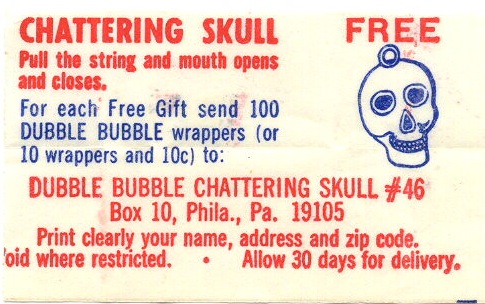
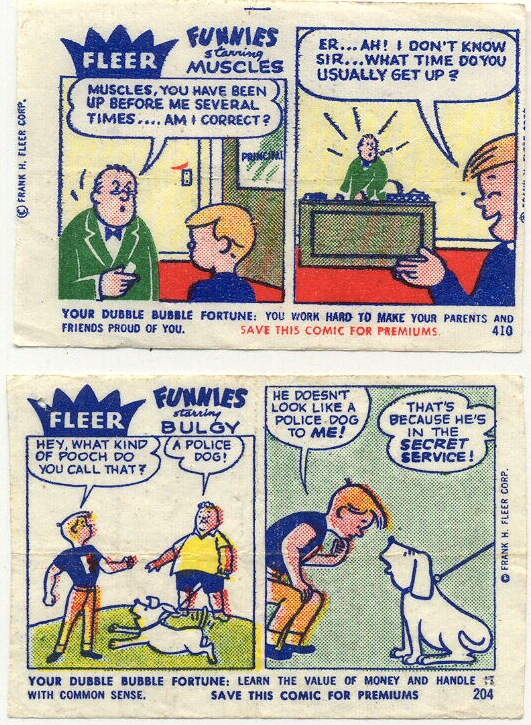
Well a little more digging turned up a couple other characters that for a short time shared the Pud spotlight, Muscles and Bulgy. I only found 3 comics with these characters and it seems that perhaps they were meant to be counterpoints to one another. The humor does not seem to be centered around their names or physiques. Also here is a comic for the Chattering Skull prize. It must have been truly painful for the workers at the fufillment house that had to open all those kids letters and count the comics so that the chattering skull could be sent on its way.
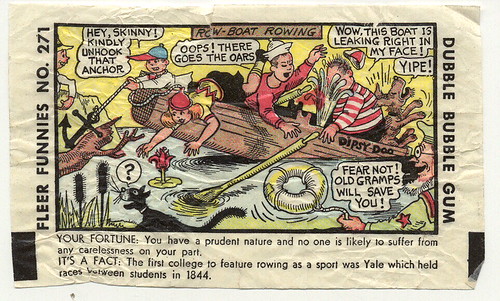
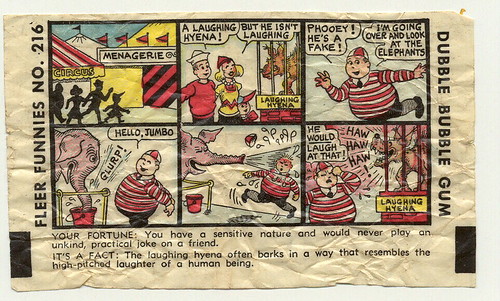
Well I dug into my candy and gum collection and found a few old Pud comics. These are probably from the late 1930's or early 40's with artwork that is pretty consistant with newspaper comics of the times. Also a bit of racist imagery in the baseball comic.


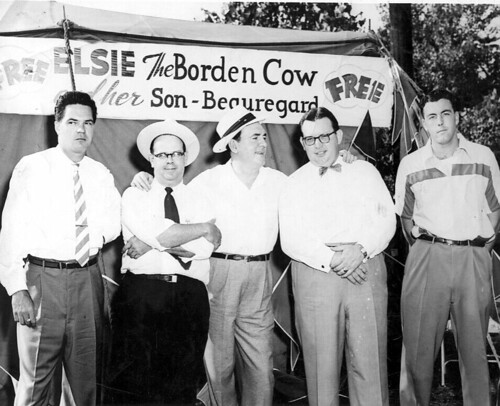
Elsie the cow was one of the original advertising characters getting her start in the 1930's. As her popularity grew she began to travel the country making appearances at county fairs and other events. This shot from 1957 was somewhere around Chicago, IL. Elsie had just given birth to twins which were eventually named by the public. I just love the way that the barn is invoked with the 2 floating signs. A crowd has gathered to see Elsie and it is not just a bunch of kids but instead adults. Maybe they were giving out coupons or recipes.
Below is a picture of the guys that probably ran the booth. It is from a few years earlier when Elsie was traveling with her son, Beauregard and the set up seems alot more primitive. My favorite is the guy with the black tie and the tipped back hat. These guys really remind me of all the characters in the Coen Brother's film "O Brother, Where Art Thou?".

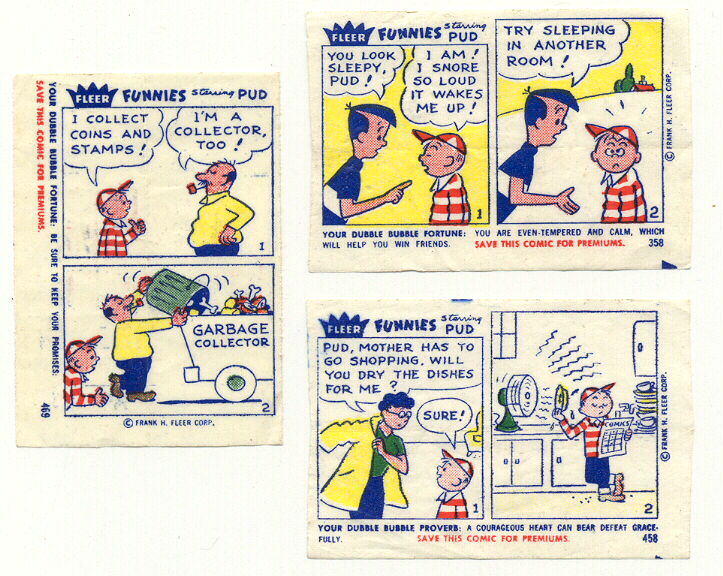
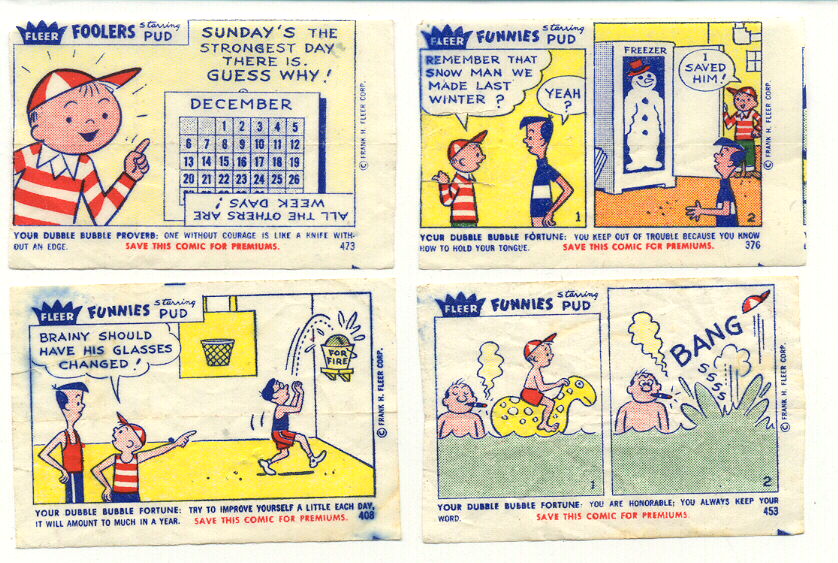
Starting way back in the 1930's when you bought a piece of 1c Fleer Dubble Bubble gum you got a Pud comic. By the 1960's, Pud had evolved into a round headed kid with a stripped shirt and rolled up jeans. I love the color palette with the light green and light yellows. This was quite counter to Bazooka Joe comics which always hit you with primary red, blue and yellow. Pud comics were much more subtle. They were also more visual and played with the tiny space they were allowed. Sometimes the comics were just a single panel or the panels were turned vertically. And of course if you saved up hundreds of comics you could send away for some crappy prize. I am just glad every kid didn't do this so I can occasionally find a little stack of these gems.
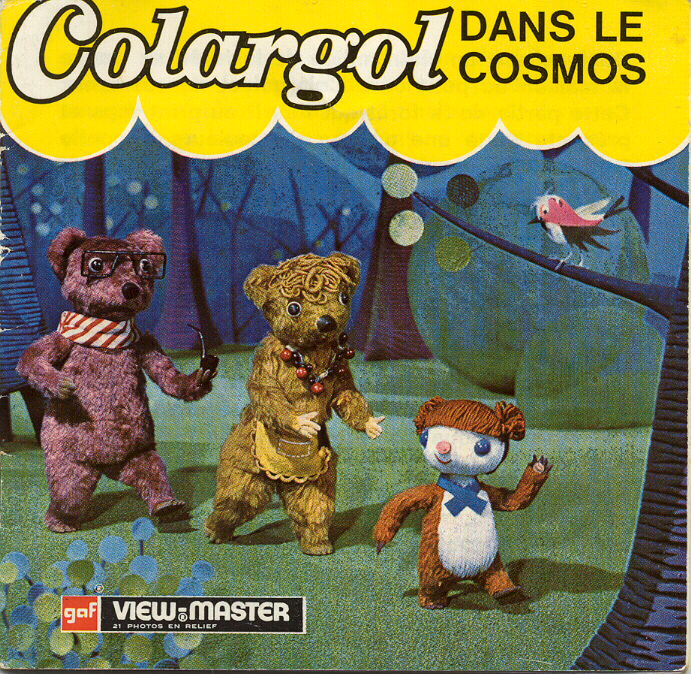
I did not have the plesaure of seeing Colargol when I was a kid. The show was shown all over the world in the late 60's and 70's under different names (Jeremy in Canada and Barnaby in the UK) but didn't really make it to the US. But at this late date I was able to buy a second generation DVD off of ebay and it is well worth seeing. Great 1960's designed stop motion with some hand drawn elements. It really felt like it was coming from the same place as all the great Rankin Bass specials but with a special European feel. For more info search Google or read a great article by Jason Vanderhill in FPS Magazine online.
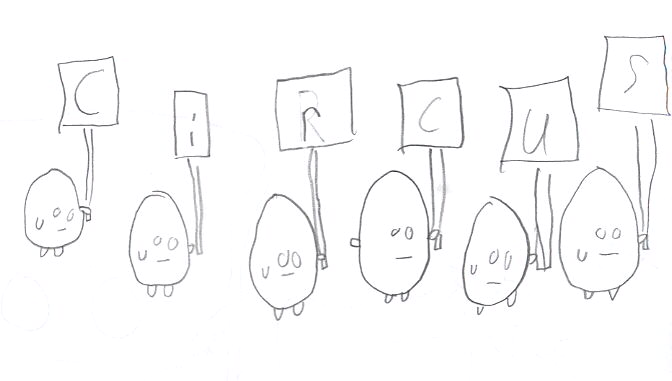
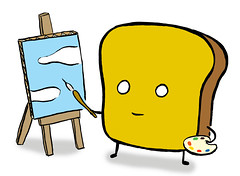
I love getting fan art from kids. This top one is from David Tovey and it is his take on the eggs that lead the circus parade from "Mr Toast at the Circus." Someday he will probably put me out of my job.
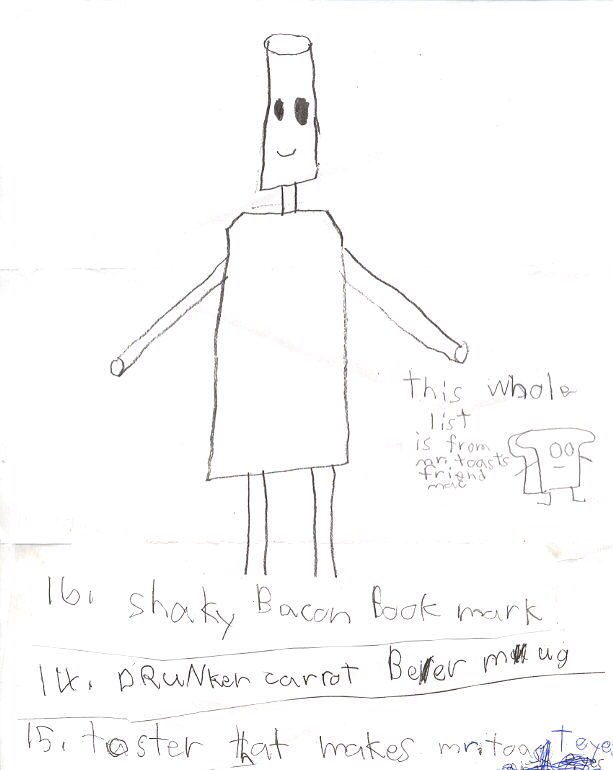
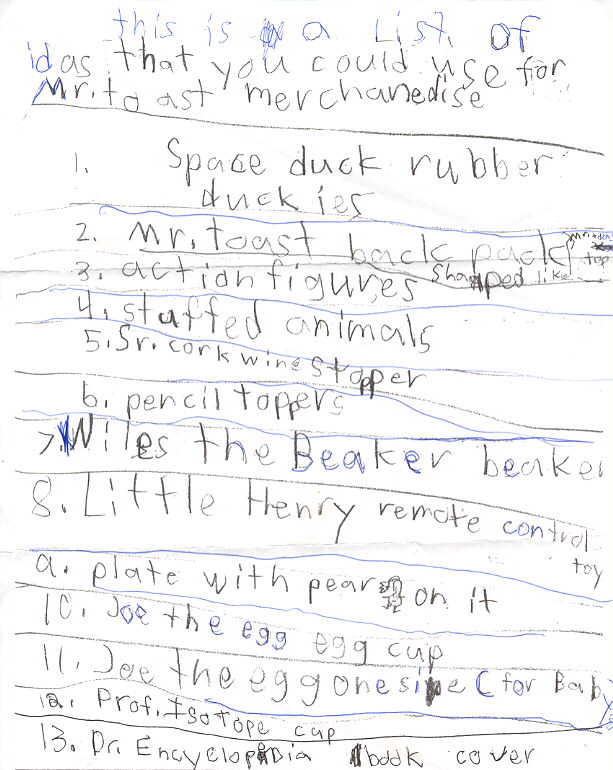
Below is a two page list of suggestions for Mr Toast merchandise from Mac Maley. In a perfect world all these things will be on store shelves in the next couple years especially the toaster that toasts Mr Toast's face into a piece of bread. Brilliant!
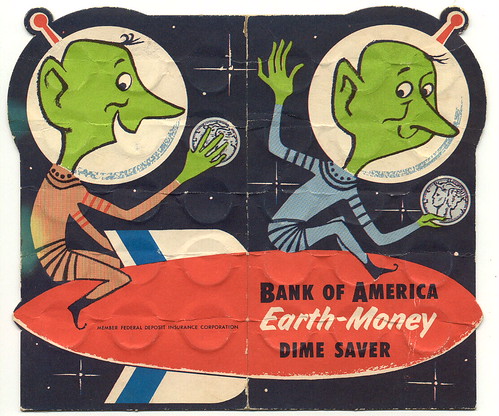
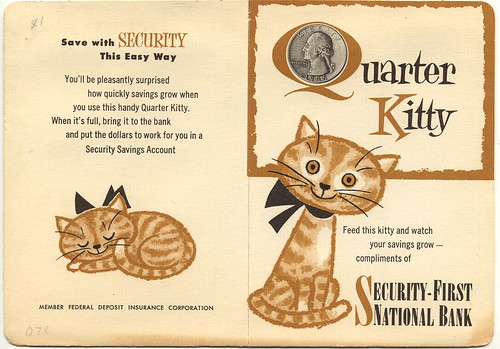
Way back along time ago spare change meant something. And to help kids save that change banks would give out Dime and later Quarter Savers. They were little folders with slots inside to hold coins. Then when full the kid could take their saved up coinage and deposit it in a bank. So sad, if only that kid had spent that money on comic books which would be worth much more money by now!